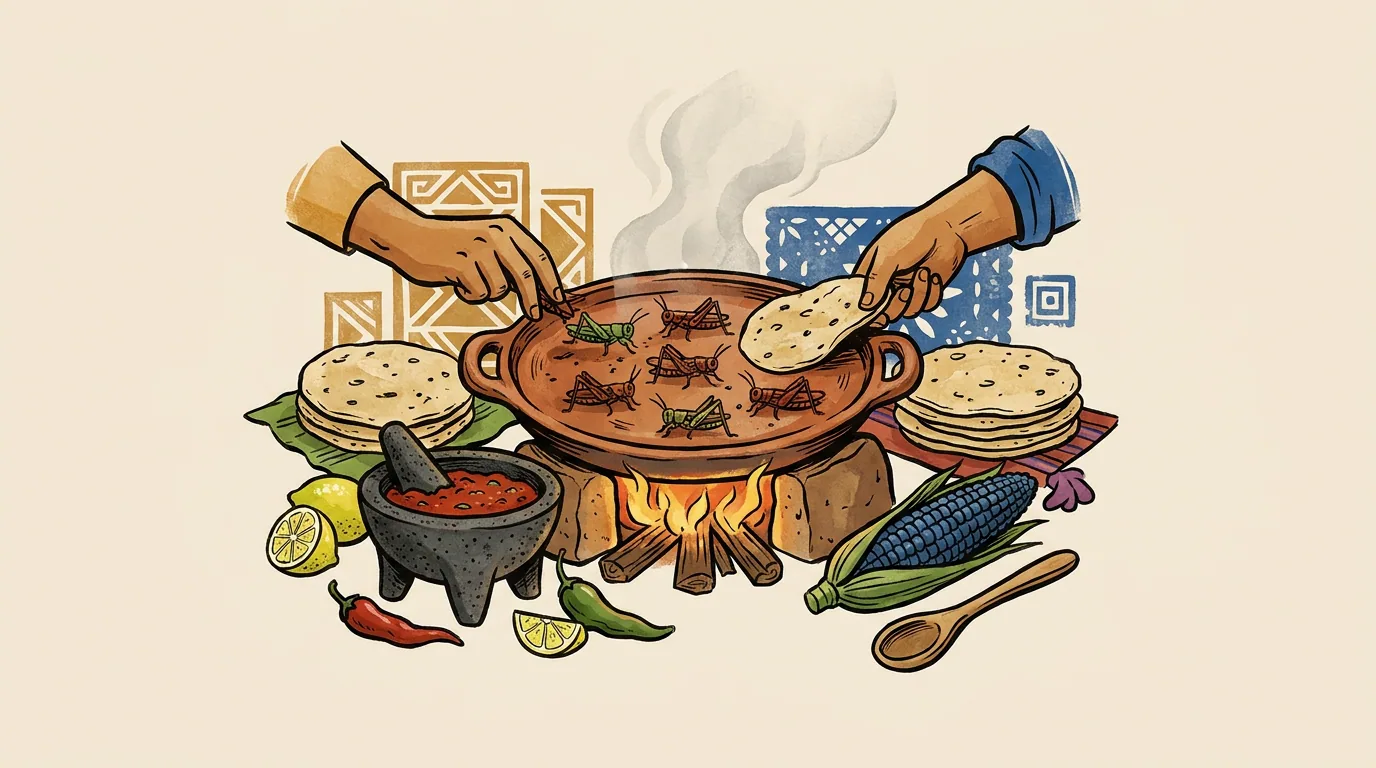
Before anyone bagged them with chile and lime to sell as a snack, chapulines were already hopping—literally—between the milpa and the comal. In different regions of Mexico, but with especially deep roots in Oaxaca, these insects are gathered during the rainy season, cleaned, and toasted until fragrant, tangy, salty, and crisp. Cooking with them does not require setting up a restaurant filled with ceremonial smoke: you only need to understand their flavor and treat them as an ingredient, not a test of courage. Here are five ways to bring them to the table, with a little history, technique, and appetite.
From the Field to the Comal
The word chapulín comes from the Nahuatl chapōlin and refers to different edible grasshoppers, not a single species. Eating them is part of a much broader Mesoamerican history: 16th-century sources recorded various insects in Indigenous diets, among them locusts or grasshoppers. Still, it is best to avoid a static postcard of the past: today’s recipes are also the result of regional markets, family kitchens, new seasonings, and changes in preservation. The old does not reach us intact; it arrives seasoned by many generations.
In Oaxaca, chapulines are often associated with the Central Valleys and with markets such as those in Oaxaca City, Tlacolula, or Ocotlán. They are gathered mainly when the rains make them plentiful, often early in the morning, when cooler temperatures slow the insects down. They are then purged or cleaned according to local practice, washed, and cooked or toasted on a comal with salt, garlic, lime, or lime juice; some preparations include chile. There is no single official seasoning—fortunately, cooking still does not require a notary—but rather families of methods and tastes.
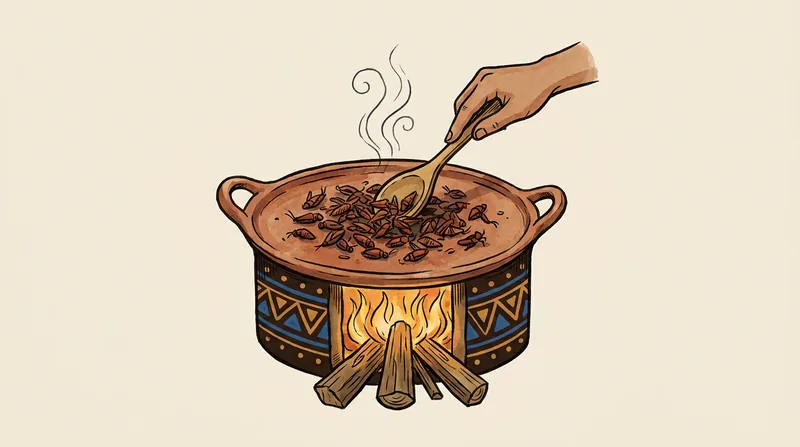
Before cooking, there is one simple rule: buy chapulines intended for human consumption, already cleaned and prepared by a trusted supplier. Do not gather them near crops that may have been treated with pesticides or eat them raw. People allergic to crustaceans or mites should exercise particular caution, since cross-reactivity with insect proteins may occur. Culinary enthusiasm is healthy; food-safety improvisation, much less so.
- 1Choose chapulines with a clean, toasted aroma, with no moisture or rancid smell.
- 2If they are soft, briefly heat them on a dry comal over medium heat to restore their crunch.
- 3Taste one before adding salt: many already come seasoned with salt, chile, and lime.
- 4Store them in an airtight container, away from heat and moisture.
- 5Remove the legs or wings only if the texture bothers you; on small specimens, they are usually eaten whole.
1. Chapulín Salsa in a Molcajete
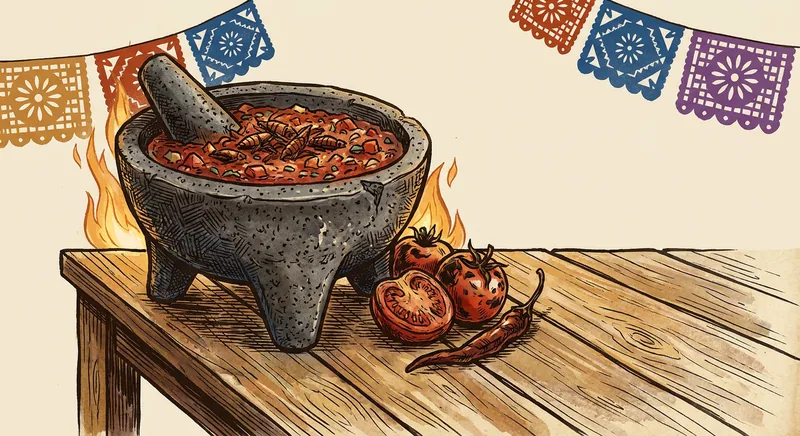
The first method is also one of the most versatile: grinding chapulines into a salsa. Toasting brings notes reminiscent of seeds, browned crust, and dried chile, while grinding distributes their flavor without letting the texture dominate every bite. It can be made with roasted tomatoes for a juicy salsa or with tomatillos for a tangier profile; choose the chile according to the mood and the table’s tolerance. The point is not to hide the ingredient, but to give it a conversation partner.
- 1Roast 4 tomatoes, 1 garlic clove, and a piece of onion on a comal until dark spots appear.
- 2Quickly toast 1 or 2 chiles de árbol; do not burn them, because bitterness does not respect tradition.
- 3Crush the garlic, chile, and 1/3 cup toasted chapulines in the molcajete.
- 4Add the tomatoes and onion; grind until coarsely crushed.
- 5Adjust the salt only at the end and, if needed, add a few drops of lime juice.
Serve this salsa with frijoles de la olla, quesillo, roasted squash, meat, or simply warm tortillas. If the chapulines already contain chile, reduce the amount of chile de árbol; if they are very tangy, let ripe tomato round out the flavors. For a thicker version, add more insects and use it almost like a spread on a tostada. The molcajete adds texture, but a blender pulsed in short bursts gets the job done without provoking the wrath of any known household deity.
“What changes is not just the ingredient, but the scale: a whole chapulín crunches; ground, it seasons.”
2. Tacos, quesadillas and memelas
The second way is to use them as a filling or finishing touch for corn-based antojitos. In a simple taco, a spoonful of toasted chapulines, avocado, onion and salsa is enough to build contrast: soft tortilla, crunchy insect, creamy fat and acidity. The key is to heat the chapulines separately and add them at the end, since steam from a stew can soften them. Thirty seconds on the comal is usually enough to awaken their aroma without drying them out.
In quesadillas, it is best to pair them with quesillo or Oaxaca cheese and a fresh herb, such as epazote. First, melt the cheese inside the tortilla; add the chapulines in the final moments so they retain some of their texture. They also work on a memela: an oval masa base, a light smear of lard, beans, cheese and salsa, topped with a small portion of chapulines. The word small matters, because piling on ingredients is not always generosity; sometimes it is just traffic.
- 1Taco: corn tortilla, mashed avocado, warm chapulines, onion and tomatillo salsa.
- 2Quesadilla: quesillo, epazote and chapulines added just before folding.
- 3Memela: a smear of lard, mashed beans, queso fresco, salsa and chapulines added at the end.
- 4Tostada: beans, cabbage salad or quelites, a modest amount of crema and crunchy chapulines.
Serving them this way helps explain why corn is much more than a neutral base. The warm tortilla brings sweetness, the aroma of nixtamal and flexibility; the chapulín answers with salt, toastiness and an acidic kick if it was prepared with lime. Together they create a relationship of textures rather than an act of exoticism. Eating insects does not need to masquerade as a feat when it can simply be a good dinner.
3. Salt, powder and a crunchy crust
The third way is to turn them into a seasoning. Ground with dried chile and a pinch of salt—if they still need it—they make a savory powder for fruit, corn on the cob, soups, eggs, roasted vegetables or the rim of a drink. This technique broadens their use and makes it possible to control the intensity of the flavor, while also making use of the fragments left at the bottom of the bag. In the kitchen, well-used crumbs have résumés too.
- 1Toast 1/2 cup of chapulines for 1 minute on a warm comal and let cool.
- 2Grind with 1 pasilla chile or 2 toasted chiles de árbol, depending on the desired heat.
- 3Add 1 teaspoon of toasted pumpkin seeds if you want a rounder texture.
- 4Taste before adding salt; finish with dried lime zest, not juice, to avoid moisture.
- 5Store the powder in an airtight jar and use it in small portions.
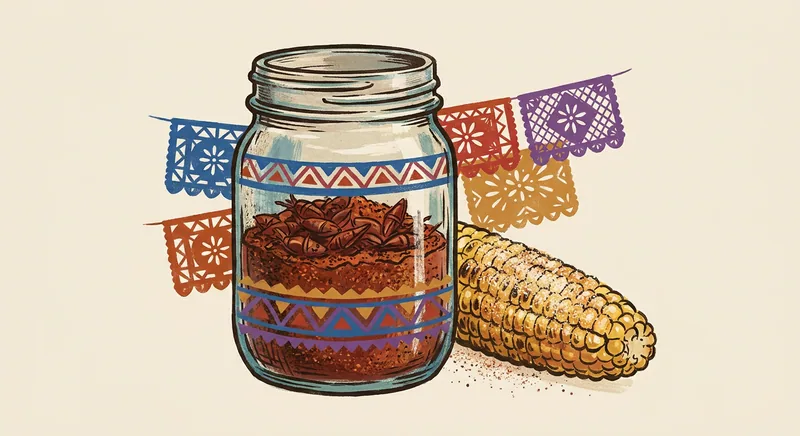
The same powder can be mixed with breadcrumbs, popped amaranth or crushed pepitas to form a crust. Press it onto squash, cauliflower, firm cheese or a piece of fish lightly brushed with oil, and bake until golden. Keep an eye on the temperature: the chapulines have already been cooked, and prolonged exposure can make them bitter. Think of them as a toasted spice, not something that should suffer a second conquest.
4. With eggs, beans and vegetables; 5. In butter or oil
The fourth approach brings them into warm, everyday dishes. In scrambled eggs, add them when the eggs are almost set so they do not lose all their crunch; salsa verde and tortillas complete the breakfast. Over black or pinto beans, they work best as a final garnish alongside queso fresco, onion and cilantro leaves. They can also finish a casserole of mushrooms, calabacitas, squash blossoms or quelites, ingredients whose vegetal flavor welcomes a toasted accent.
In these dishes, balancing the salt matters. Refried beans, cheese and prepared chapulines can all add sodium at the same time, so it is best to season each base with care. Fat should also be used sparingly: a teaspoon helps carry aromas, but too much erases the crunch and makes the whole dish heavy. Flavorful cooking is not always the kind that shouts the loudest.
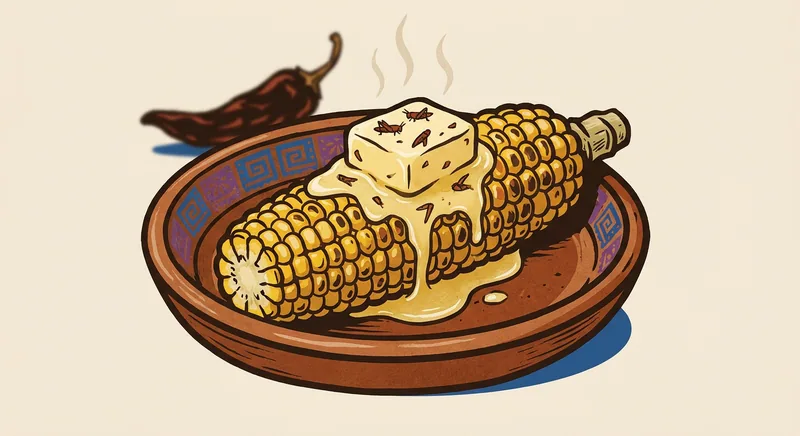
The fifth approach is to prepare a compound butter or chapulín oil to finish other foods. For the first, toasted chapulines are finely chopped and mixed with softened butter, roasted garlic, lemon zest and chile; it is then chilled in the shape of a log and cut into coins. A slice over corn on the cob, potato, mushrooms or a tortilla fresh off the comal melts and spreads the flavor. Since the insects are often already salted, the butter should be unsalted.
The oil is made by crushing chapulines with dried chile and covering them with a mild-flavored oil; for immediate use, it can be served over vegetables or tostadas. If you want to store a homemade preparation with moist ingredients such as fresh garlic, there are microbiological risks and it should not be kept at room temperature. The sensible approach is to make a small amount, refrigerate it and consume it soon, or use completely dried garlic. The history of cooking is full of ingenuity, but botulism has never improved a recipe.
- 1Butter: 100 g unsalted butter, 1/3 cup chopped chapulines, roasted garlic, lemon zest and dried chile.
- 2Quick use: place a coin over corn on the cob, cooked potato, sautéed mushrooms or roasted squash.
- 3Oil: crush chapulines and dried chile; add only enough oil to make a fluid sauce.
- 4Safety: refrigerate homemade mixtures, use clean utensils and discard any preparation with an unusual smell, bubbles or appearance.
These five paths—salsa, antojito, seasoning, everyday dish and aromatic fat—show that the chapulín lends itself to more verbs than “try.” It can be ground, heated, sprinkled, mixed and melted with other ingredients, always taking care with its seasoning and texture. They also invite us to recognize the foragers, cooks, merchants and producers who keep the food chain behind the bite alive. A traditional ingredient is not honored by placing it under a glass dome, but by understanding it and cooking it well.
The chapulín tells a story of rains, milpa, markets and comales, but that story did not end in the pre-Hispanic past, nor can it fit in its entirety inside a bag of snacks. Each recipe continues the story when it respects the product’s origin, avoids caricature and finds a genuine place at the table. Perhaps that is the best way to approach a food with centuries of memory: without fear, without spectacle and with a warm tortilla close at hand.
- Sahagún, Bernardino de. General History of the Things of New Spain (Florentine Codex), Book XI.
- Ramos-Elorduy, Julieta. Creepy Crawly Cuisine: The Gourmet Guide to Edible Insects. Park Street Press, 1998.
- National Institute of Indigenous Peoples (INPI), educational materials on Indigenous cuisine and traditional foods of Mexico.
- Food and Agriculture Organization of the United Nations (FAO). Edible Insects: Future Prospects for Food and Feed Security. Forestry Paper 171, 2013.
- Wageningen University & Research. Insects as Food and Feed: information on the nutritional value and safety of edible insects.