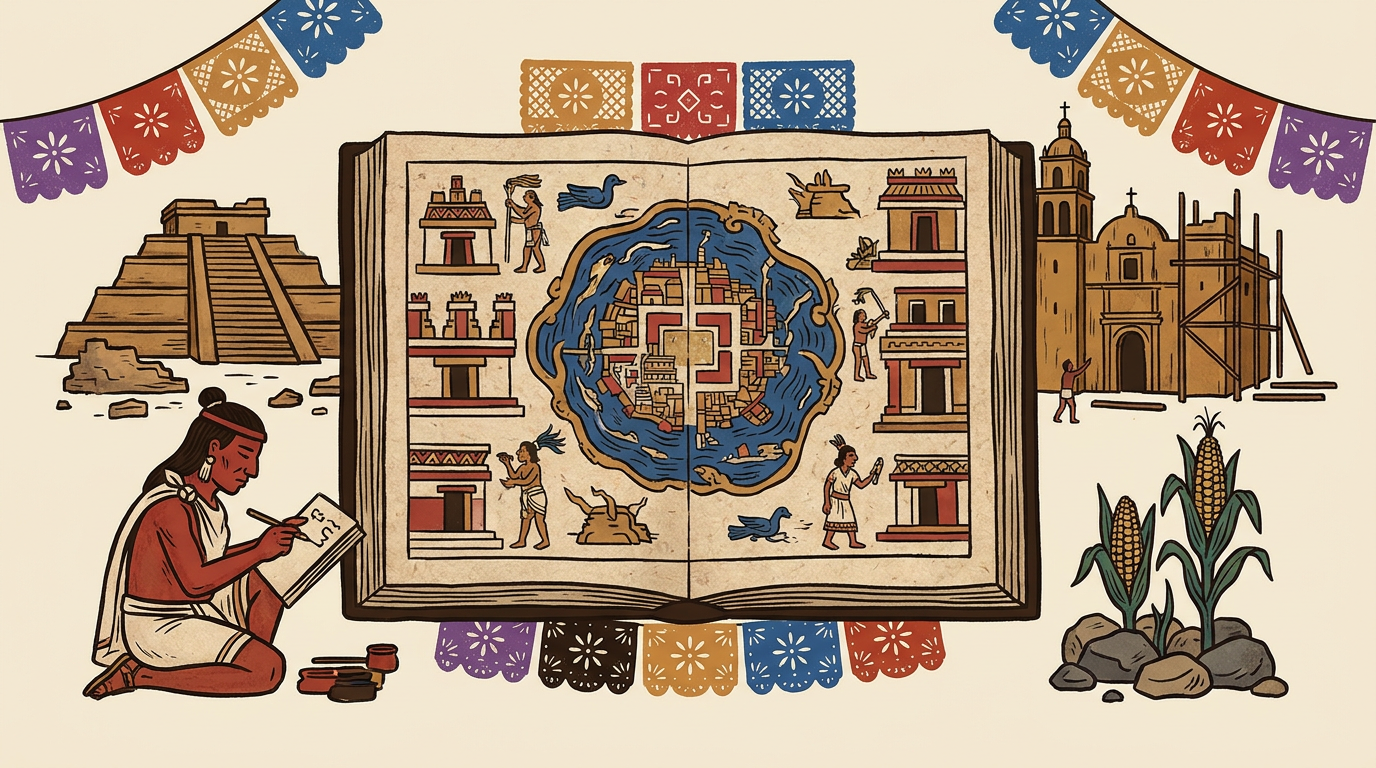
Some phrases seem to explain an entire country and, for that very reason, deserve a closer look. “The trauma of the conquered” is often used to describe a supposed wound born in 1521 that still dictates how we think, obey or see ourselves in relation to Europe. The image is powerful, but it risks turning five centuries of history into a collective therapy session with a snap diagnosis. The Conquest left real catastrophes in its wake; what is debatable is the idea that it produced a single Mexican mind, unchanged ever since.
A Catastrophe with Many Faces
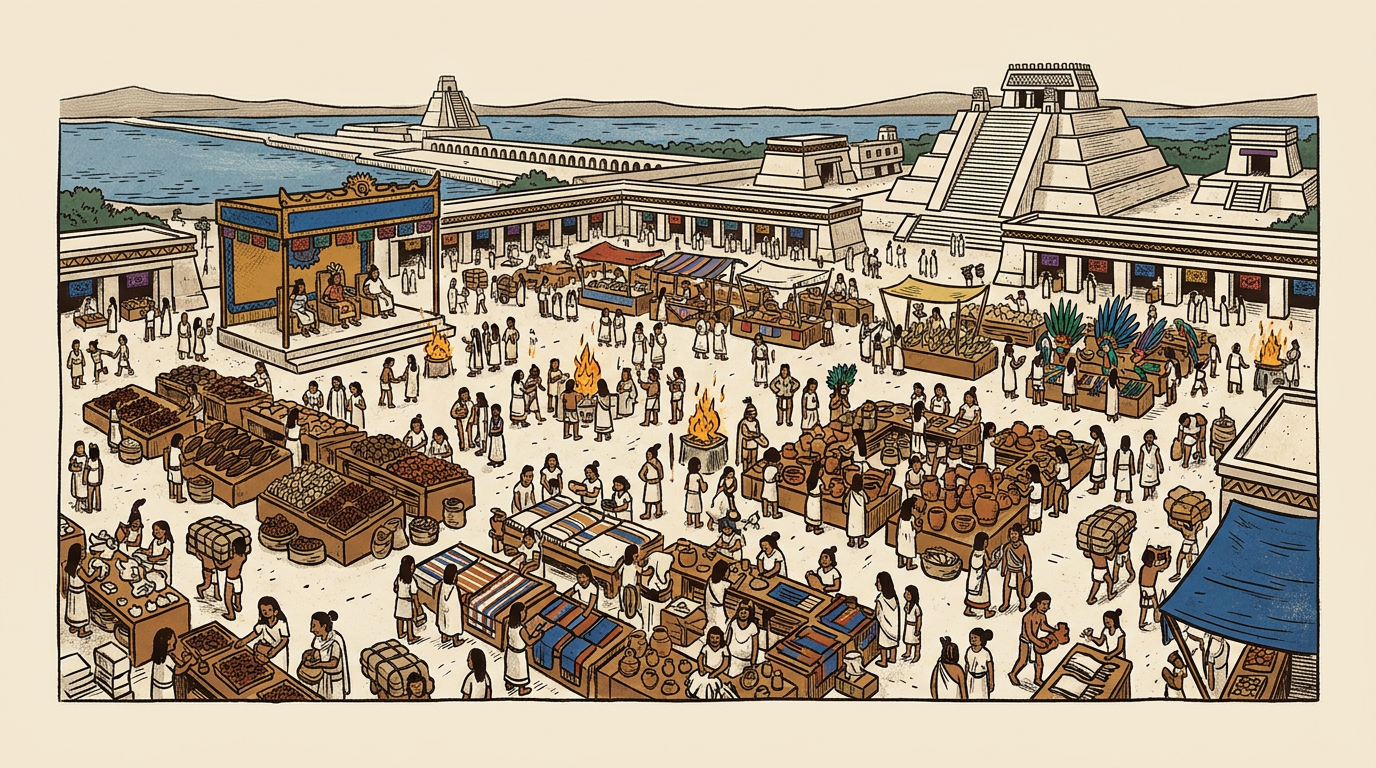
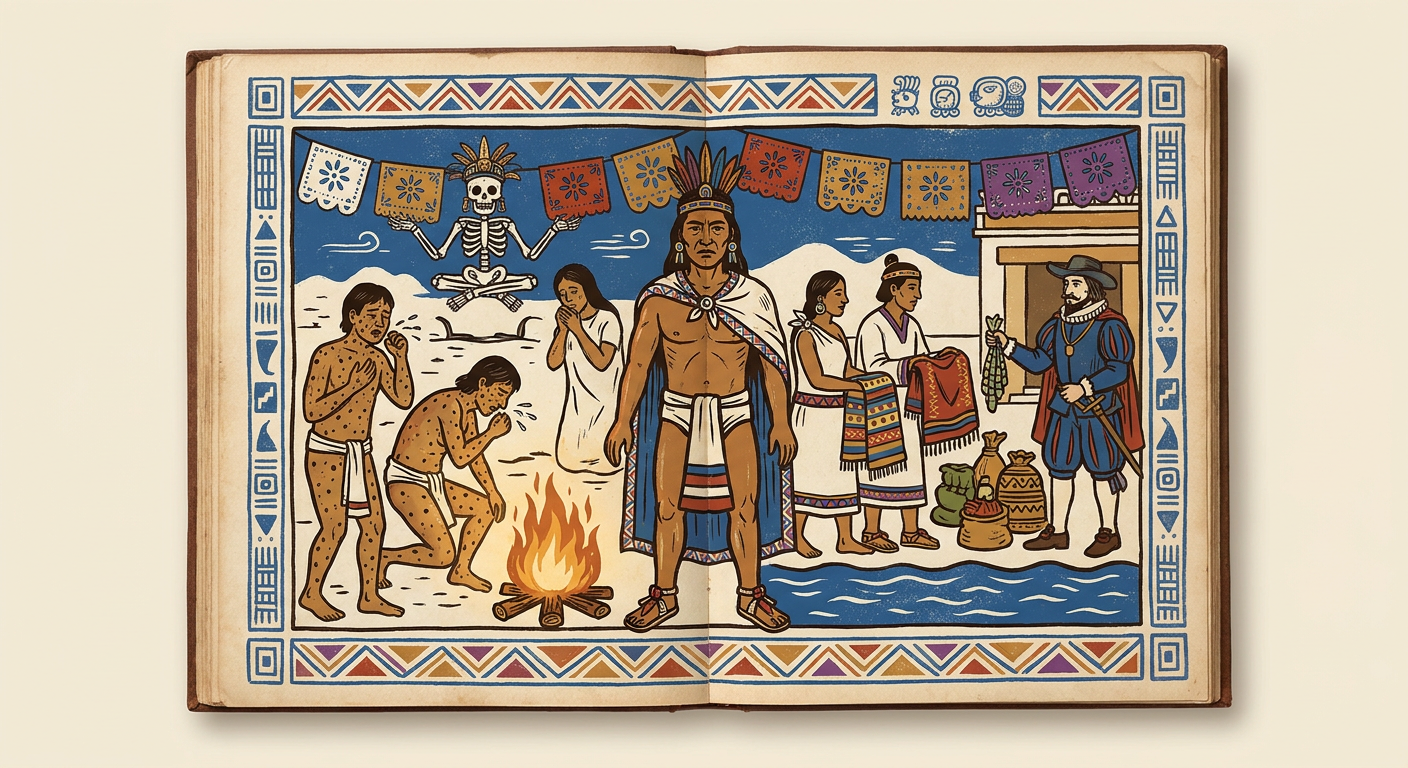
The fall of Mexico-Tenochtitlan, on August 13, 1521, was the result of the war led by Hernán Cortés and extensive Indigenous alliances, including the Tlaxcalan alliance. Then came colonial reorganization, evangelization, tribute and various forms of exploitation and dispossession. Devastating epidemics followed, such as the smallpox outbreak of 1520 and the crises known as cocoliztli during the 16th century. It was not a single or instantaneous tragedy, but an uneven succession of violence, loss and transformation.
Naming the Wound
The idea of the “trauma of the Conquest” gained traction in 20th-century interpretations of national identity. In “The Labyrinth of Solitude,” Octavio Paz read certain images—especially that of La Malinche—as symbols of rupture, abandonment and violence; decades later, Miguel León-Portilla brought together Nahua accounts in “The Broken Spears,” a landmark work that gave a hearing to voices previously pushed aside. Both books changed the conversation, though they are not clinical files on every Mexican. Cultural history can study inherited wounds; what it must not do is mistake a fruitful metaphor for a total explanation.
“The history of the Conquest is a history of victors and vanquished, but not of peoples without a voice.”
There is also a problem with the singular: who was “the conquered”? The defeated Mexica did not have the same experience as their Tlaxcalan adversaries, nor did the Maya peoples—whose conquest stretched across generations—have an experience identical to that of the Purépecha, Mixtec or Zapotec peoples. Even within each community, nobles, tribute payers, women, merchants and local authorities faced the new order in different ways. Putting them all on the same historical couch is convenient, but it makes for some very poor tailoring.
There Was More Than Silence
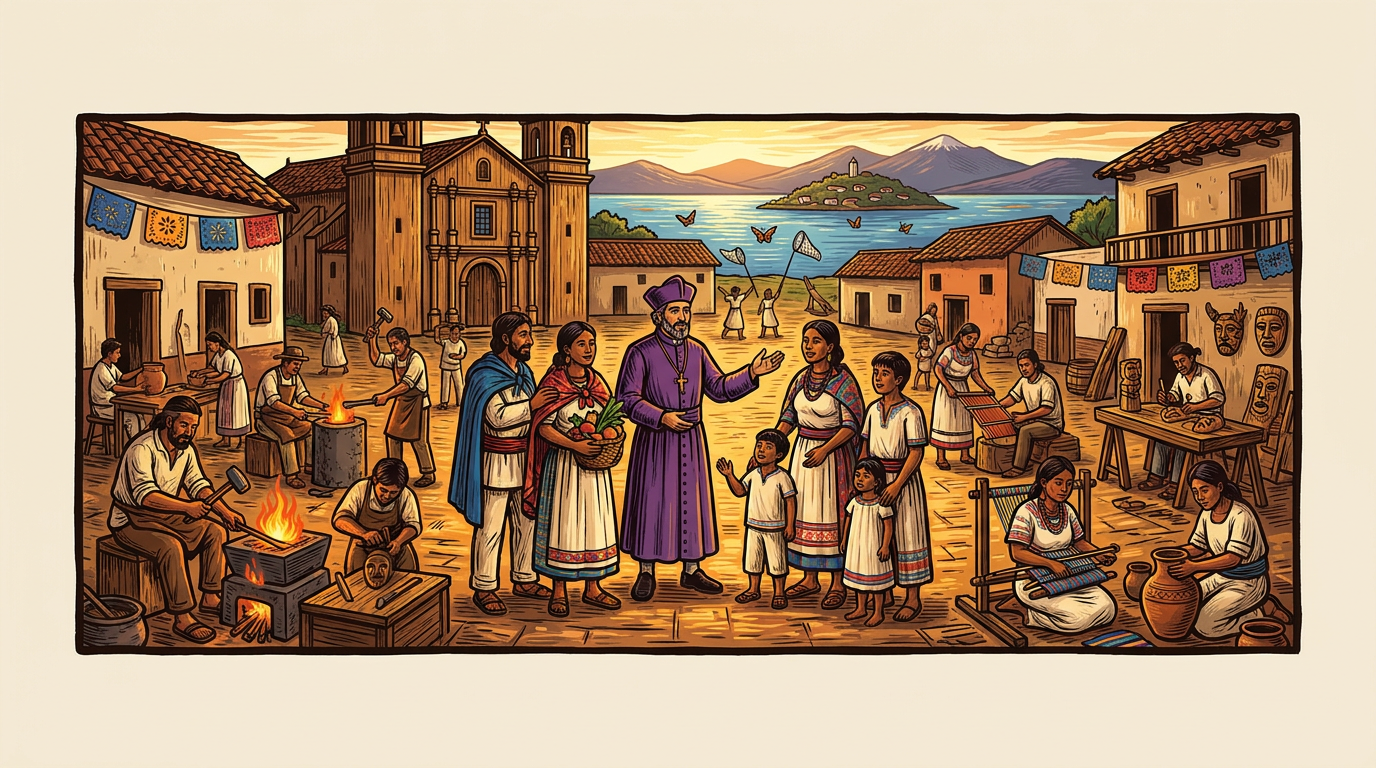
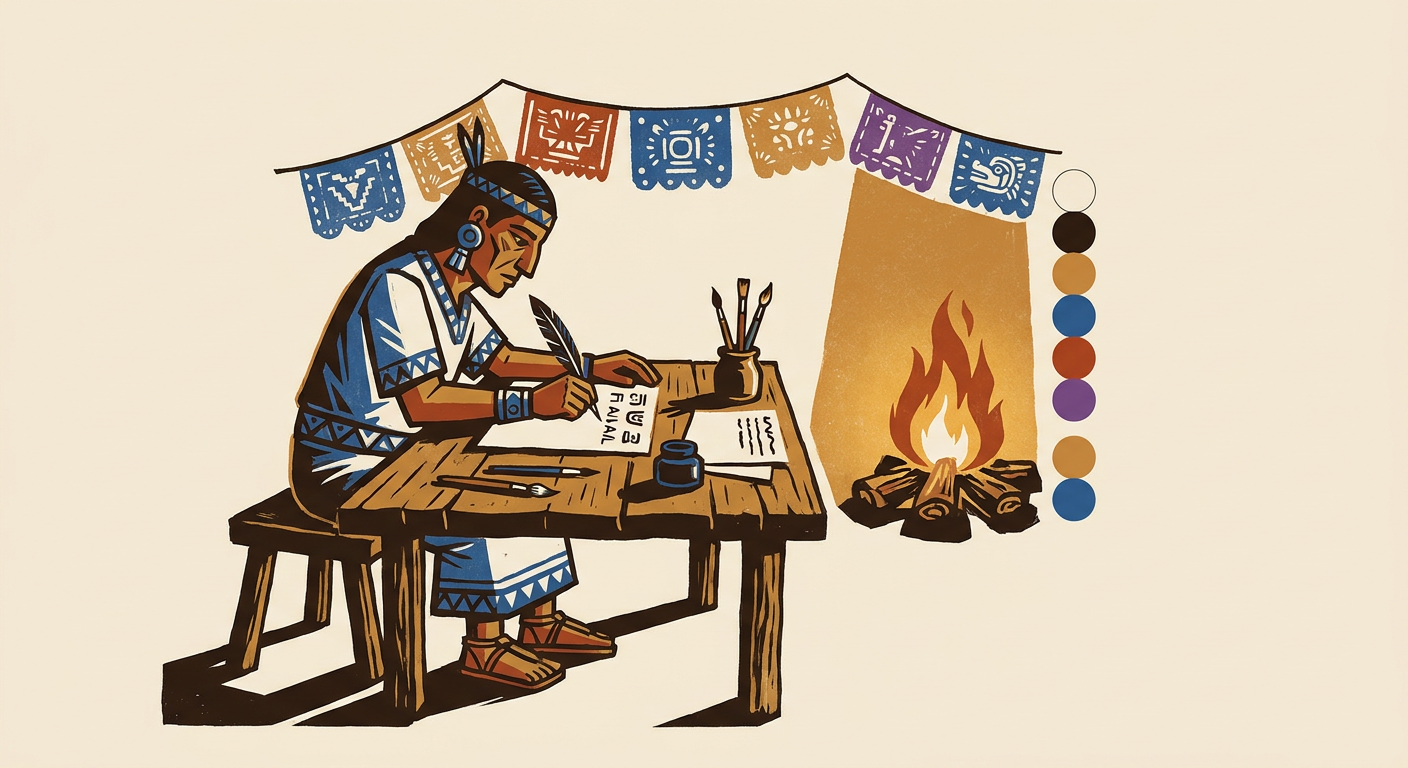
Indigenous societies did not simply accept the colonial order with their heads bowed. They litigated over land, wrote petitions to the king, preserved genealogies, adapted town councils, negotiated privileges and took part in rebellions. Nahuatl texts such as the “Annals of Tlatelolco” and numerous court documents contain grief and defeat, yes, but also political calculation, memory and the defense of community. Learning the Latin alphabet or adopting Christian forms did not always mean surrender: at times, it was a tool for survival and for claiming rights.
- 1Distinguish military defeat from cultural disappearance.
- 2Recognize that there were Indigenous alliances, not merely a simple clash between “Spaniards” and “Indians.”
- 3Separate 16th-century accounts from national interpretations developed centuries later.
- 4Read the persistence of languages, community governments and local memories as historical action, not as a fossil.
This does not make the colonial regime benign. The Crown established legal and social hierarchies, while blood purity practices, corporate distinctions and classifications based on origin fueled enduring inequalities. Yet contemporary racism did not spring fully formed from 1521 like a rabbit from a hat: it was reshaped in the late colonial period, in the liberal 19th century, in mestizaje projects and in modern policies that celebrated ancient Indigenous people while marginalizing living Indigenous people. The wound has layers; some are very recent and still come on official letterhead.
Remembering Without Getting Trapped
Talking about trauma can be useful when it names the transmission of violence, silence and shame; it stops being useful when it declares that defeat is our essence. Mexico was not born just once in 1521, and no society preserves an emotion intact for five hundred years. Memory is remade in families, schools, monuments, celebrations, languages and political disputes. Each generation inherits stories about the past, but it also patches them up, debates them and, when necessary, unpicks their labels.
Perhaps the more fruitful question is not whether we are still “the conquered,” but who benefits today when we tell our story that way. Acknowledging the devastation of the Conquest does not require denying Indigenous agency, resistance or the blending that followed; on the contrary, it allows us to see them more clearly. A historical wound deserves memory and justice, not to become destiny. The past weighs on us, certainly, but it does not have to sit at the head of the table forever.
- Miguel León-Portilla, “The Broken Spears: The Aztec Account of the Conquest of Mexico,” National Autonomous University of Mexico.
- Federico Navarrete, “Who Conquered Mexico?,” Debate, 2019.
- Matthew Restall, “Seven Myths of the Spanish Conquest,” Oxford University Press, 2003.
- Camilla Townsend, “Fifth Sun: A New History of the Aztecs,” Oxford University Press, 2019.
- Octavio Paz, “The Labyrinth of Solitude,” Fondo de Cultura Económica.